
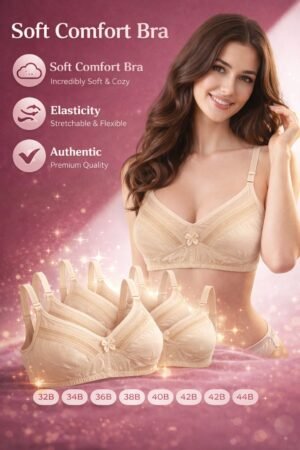
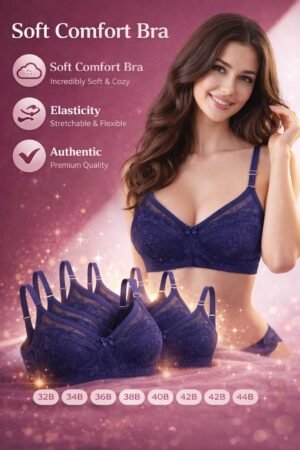
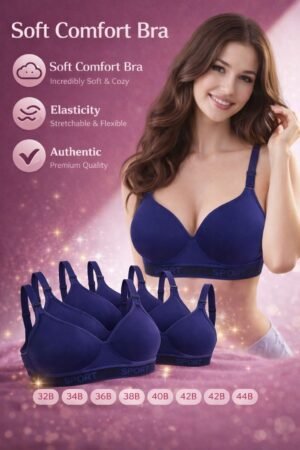
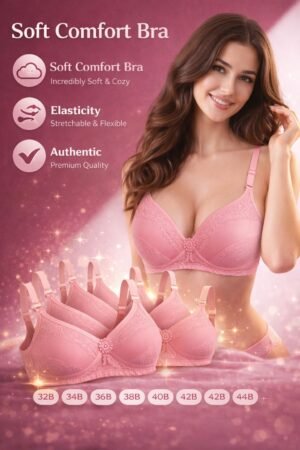
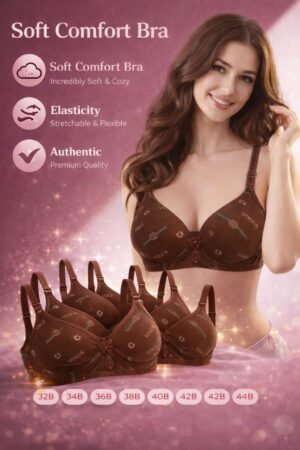
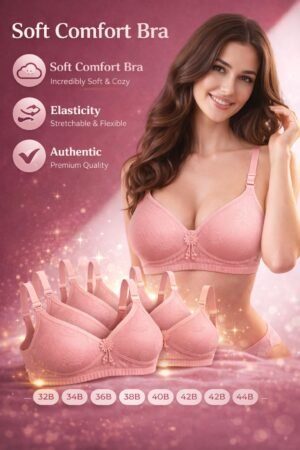
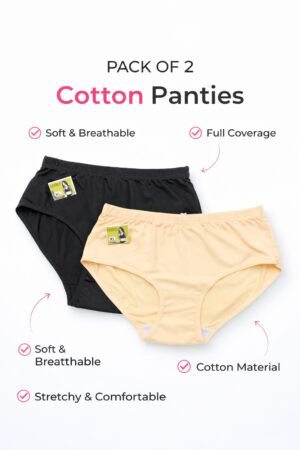
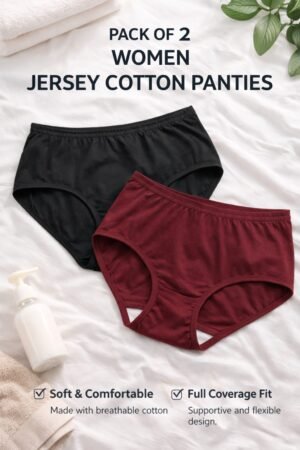
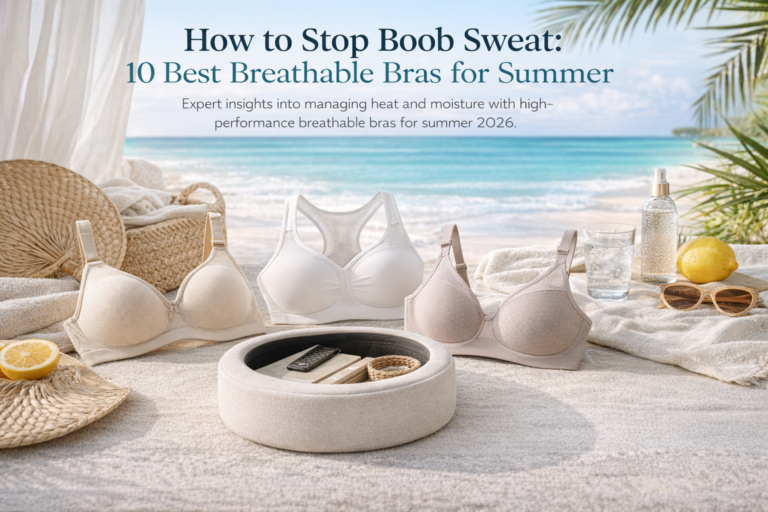
How to Stop Boob Sweat: 10 Best Breathable Bras for Summer (2026 Guide)
Expert Summer Comfort Guide · 2026 How to Stop Boob Sweat: 10 Best Breathable Bras for Summer Evidence-based…
Read MoreBras, panties, lingerie sets, nightwear, and shapewear — selected for everyday comfort and shipped in plain, discreet packaging to your door.
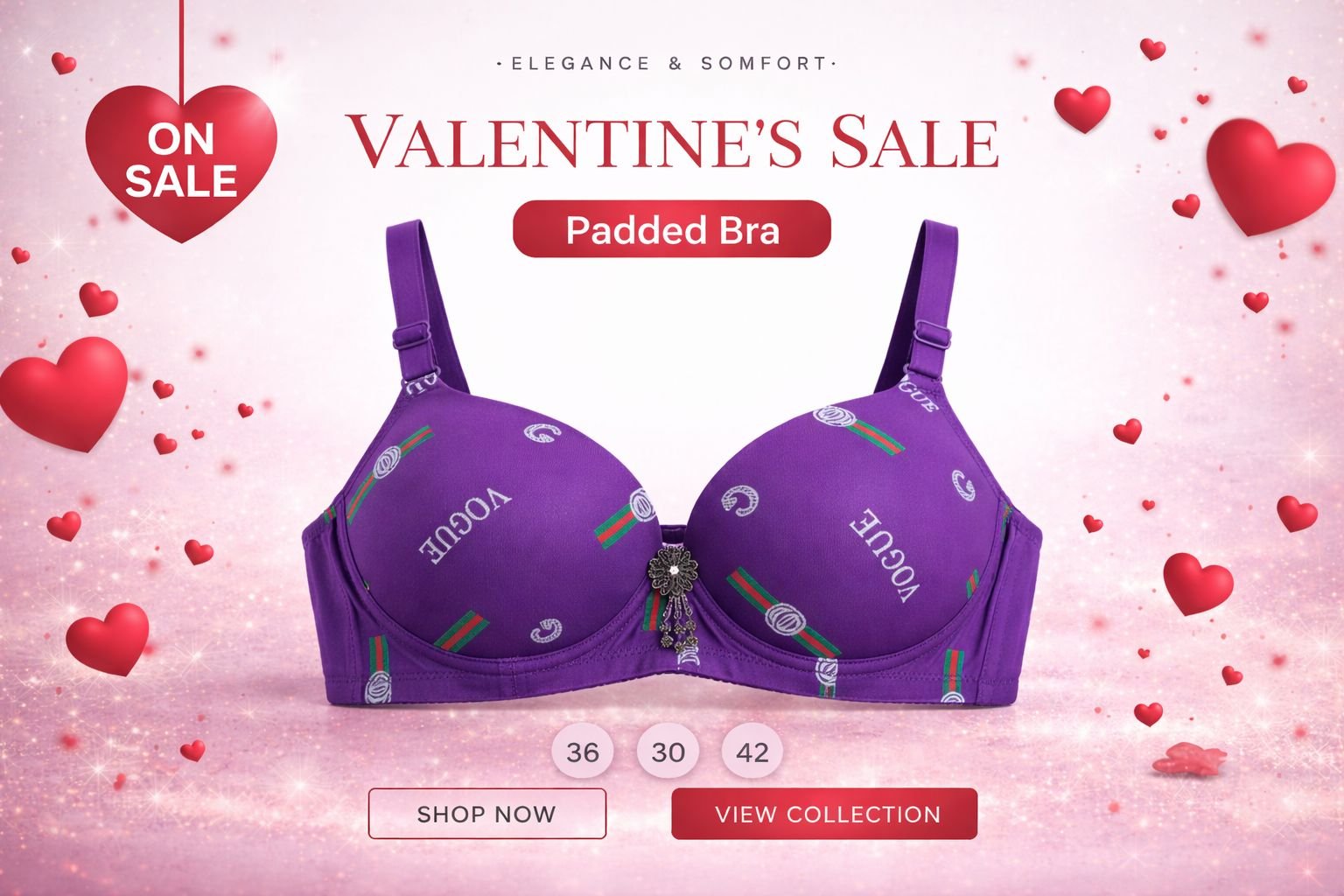
Our fit guide walks through band and cup measurement step by step, with common fit problems and how to fix them.
The band carries most of a bra's support, not the straps. If it rides up at the back, the band is usually too loose — go down a band size and up a cup size to keep the same volume.
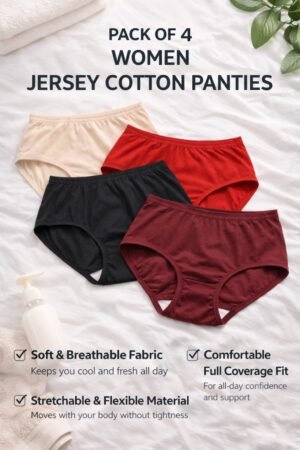
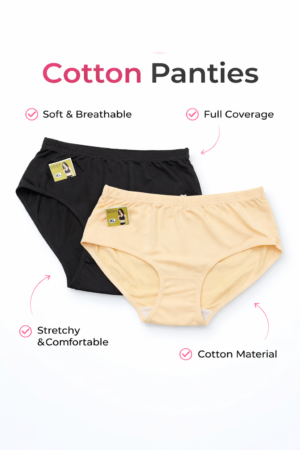
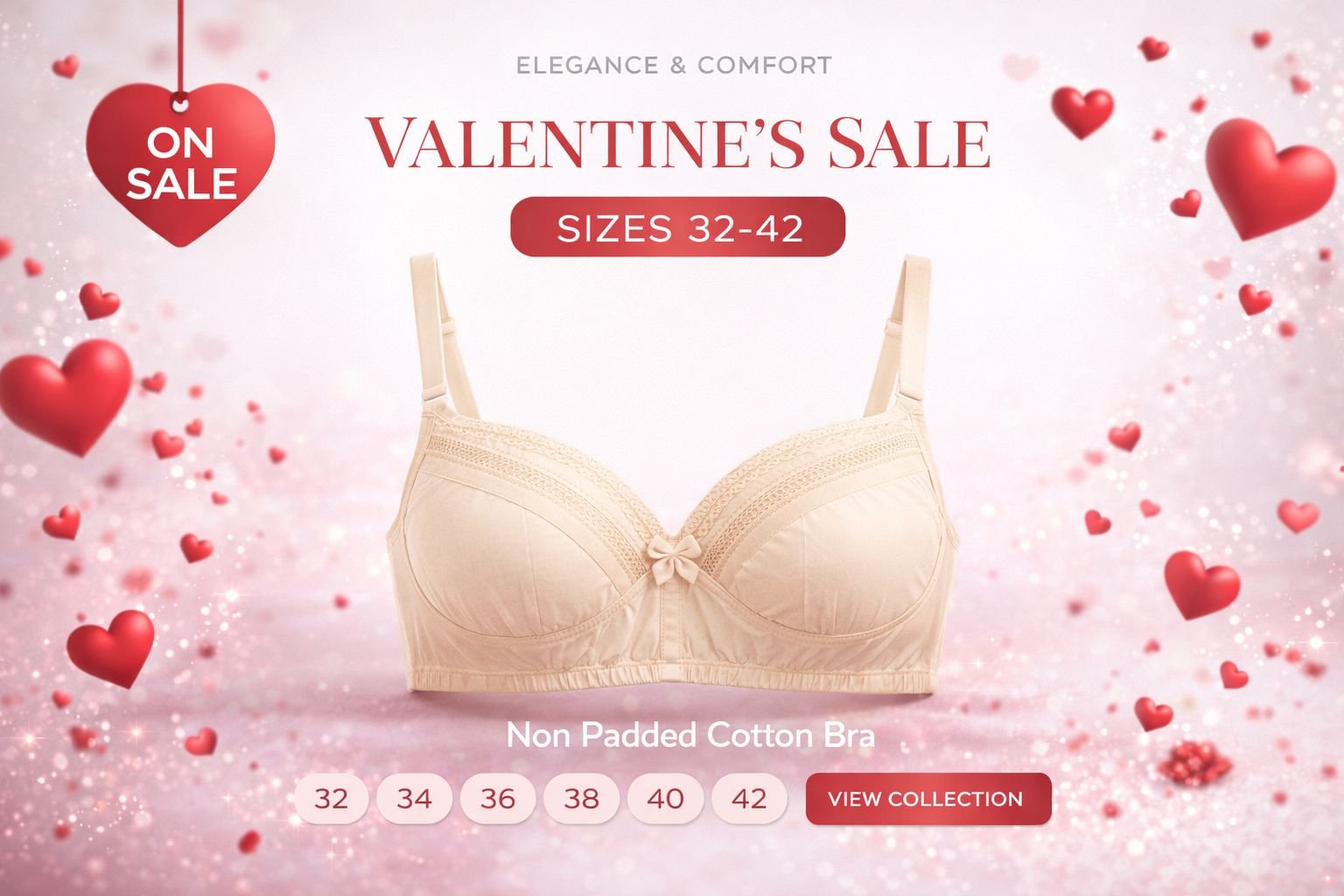
Cotton and cotton-blend fabrics absorb moisture better than fully synthetic materials, which matters most for daily wear in hot, humid weather.
Elastic needs time to recover between wears. Rotating between at least two or three bras extends the working life of each one.
Machine washing — especially on warm cycles — breaks down elastic fibers faster than hand washing in cool water with a mild detergent.
Folding a moulded cup flat creates a crease that doesn't reverse. Nesting one cup inside the other keeps the shape intact in a drawer.
A band that no longer sits snug on the loosest hook, cups that lose shape, or straps that slip constantly are the usual signs a bra is past its useful life.
Wearing the wrong bra size is common, and it usually shows up as shoulder pain, a band that digs in or rides up, or cups that gape or overflow. Most of these issues trace back to one or two measurements being off, not a flaw in the garment itself.
The two numbers that matter are your band size (measured around your ribcage, directly under the bust) and your bust measurement (around the fullest part of your chest). The difference between the two — typically in inches — maps to a cup letter. A one-inch difference is usually an A cup, two inches a B, and so on, though sizing charts vary slightly between brands.
The band should feel snug on the loosest hook when new, since it will stretch slightly with wash and wear. If you're between band sizes, sizing down and going up a cup usually gives a better fit than sizing up.
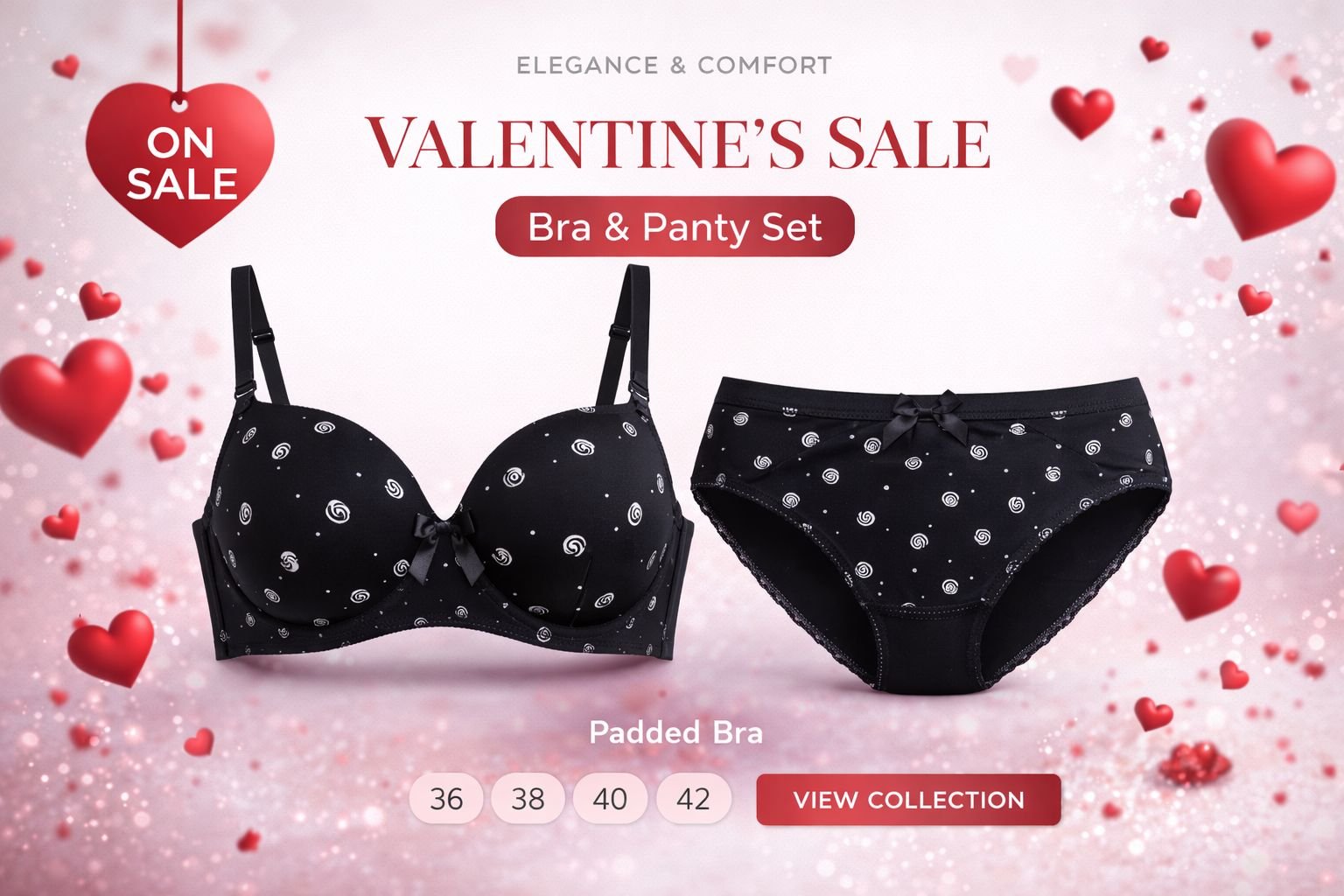
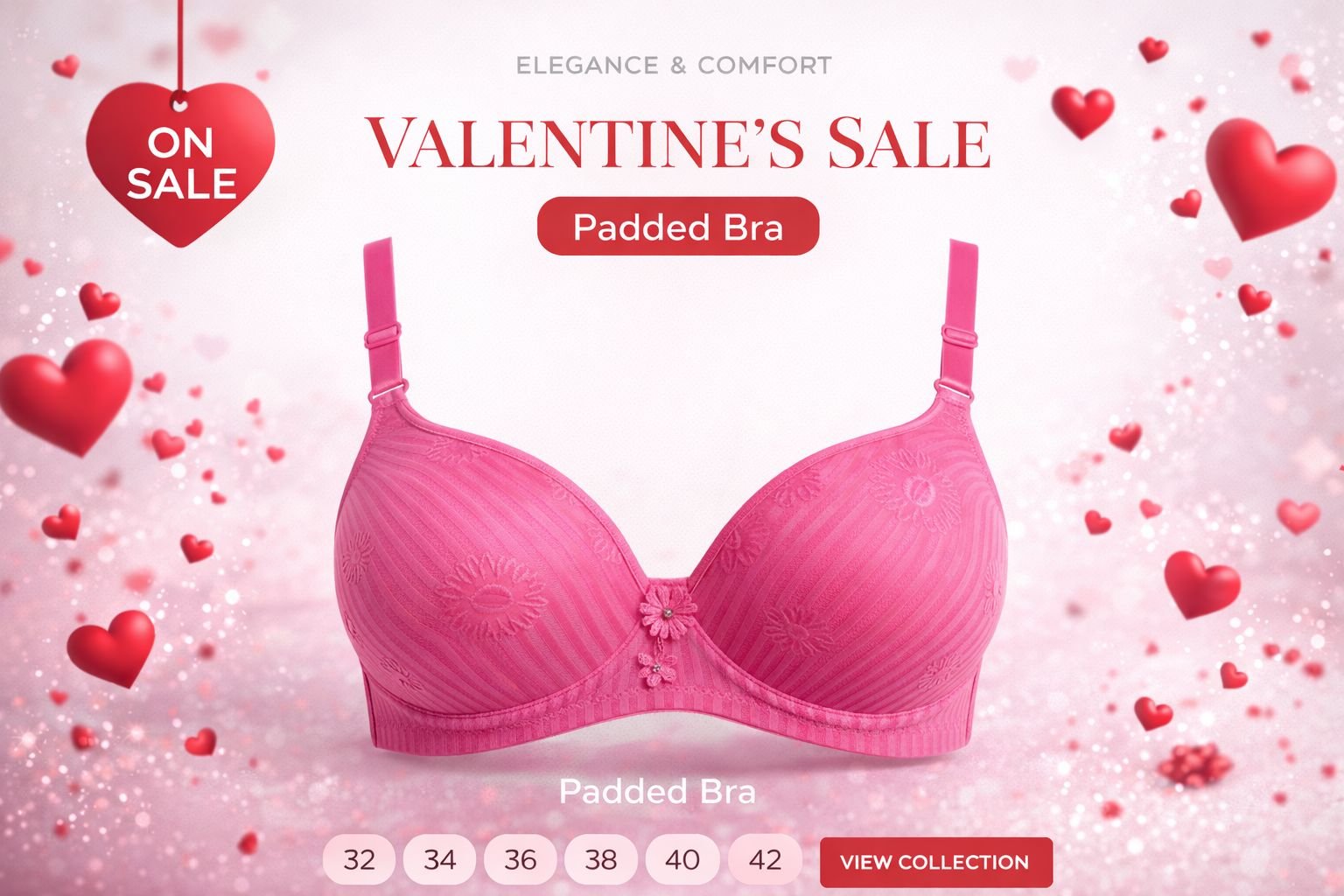
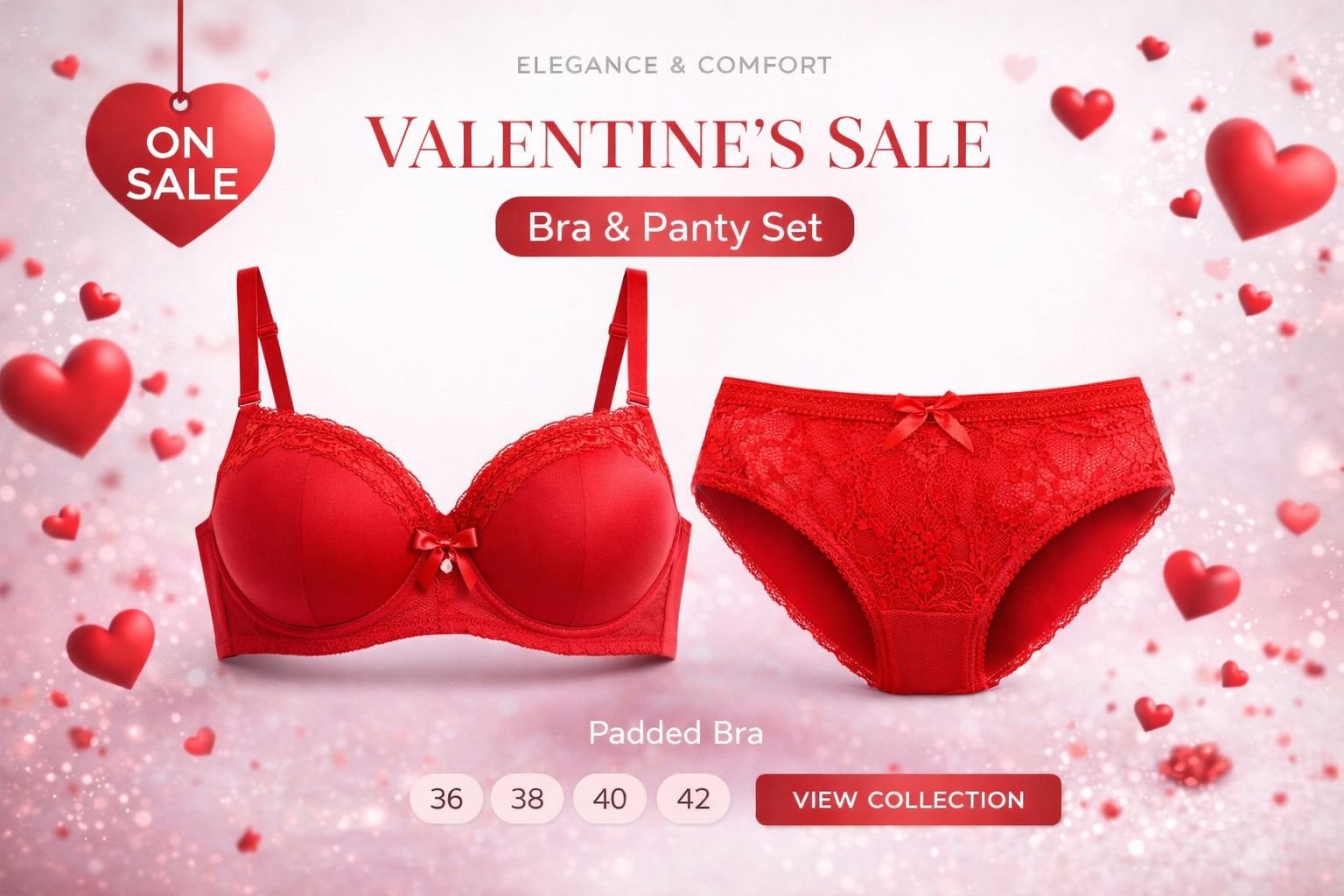
Cotton, wire-free styles suit long days at home or sleep. Padded or moulded cups give a smoother line under fitted clothing. Non-padded styles allow more airflow for hot weather or exercise.
In consistently warm, humid conditions, moisture-wicking natural fibers like cotton generally hold up better against irritation than fully synthetic fabrics worn for long stretches.
Straps that dig in even when tightened, a band that rides up at the back, or cups that wrinkle rather than sit smooth are the clearest signals it's time to re-measure.
Expert Summer Comfort Guide · 2026 How to Stop Boob Sweat: 10 Best Breathable Bras for Summer Evidence-based…
Read More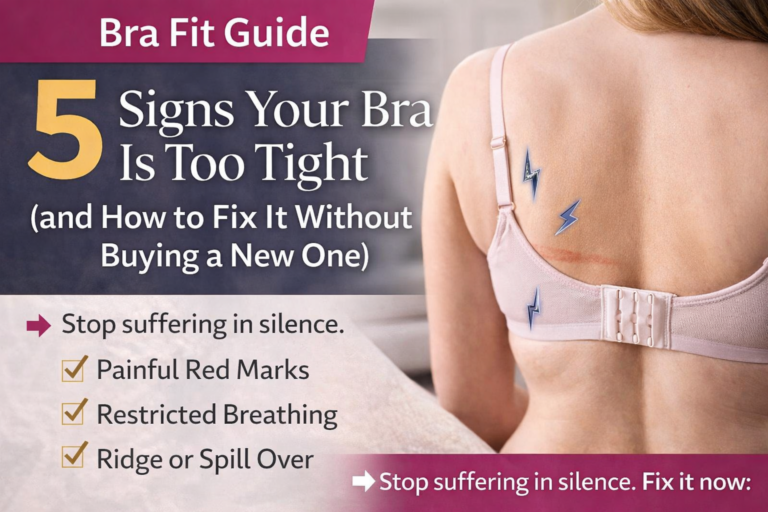
Expert Bra Fit Guide · 2026 5 Signs Your Bra Is Too Tight (and How to Fix It…
Read More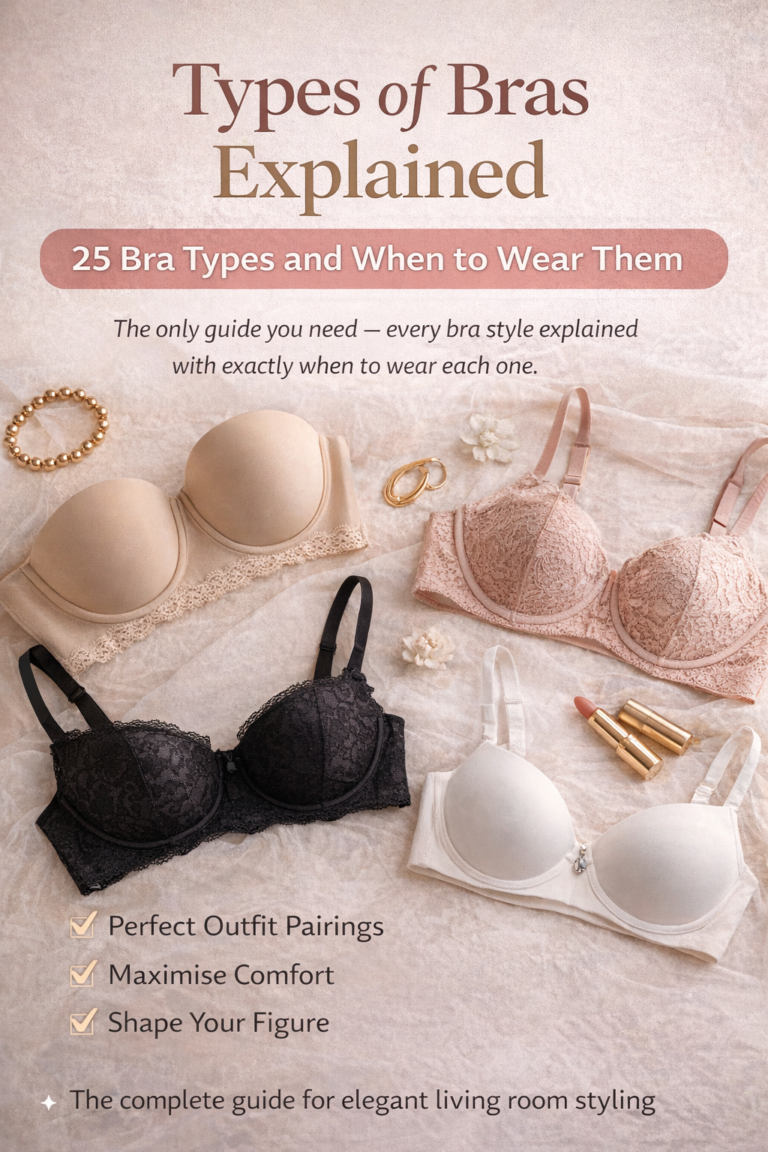
Complete Bra Guide · 25 Types Types of Bras Explained: 25 Bra Types and When to Wear Them…
Read More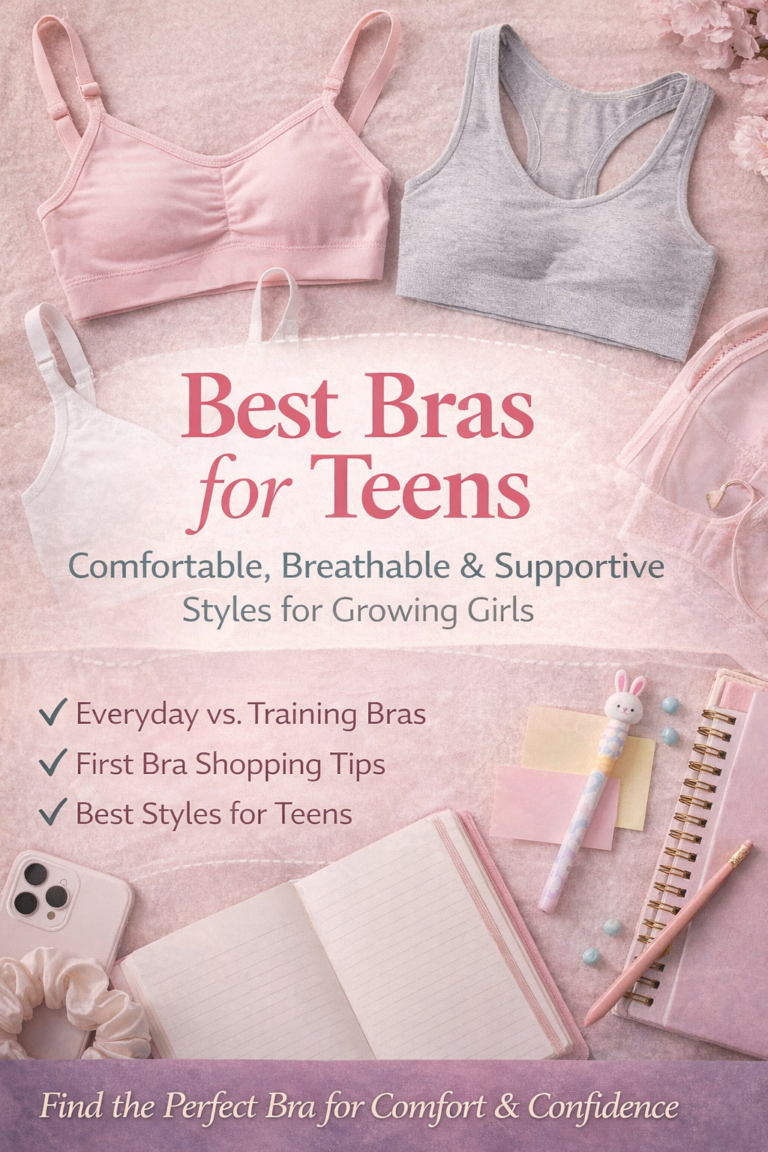
Teen Bra Guide · 2026 Best Bras for Teens: Comfortable, Breathable & Supportive Styles for Growing Girls From…
Read More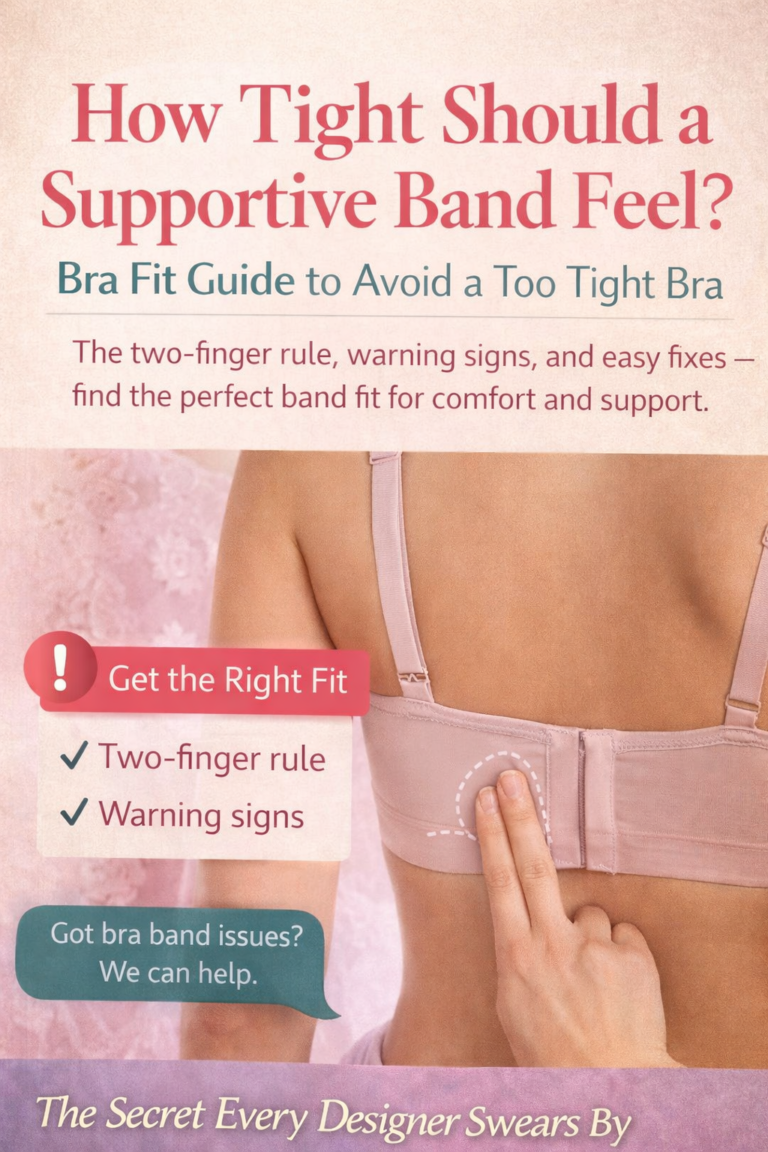
Expert Bra Fit Guide · 2026 How Tight Should a Supportive Band Feel? Bra Fit Guide to Avoid…
Read More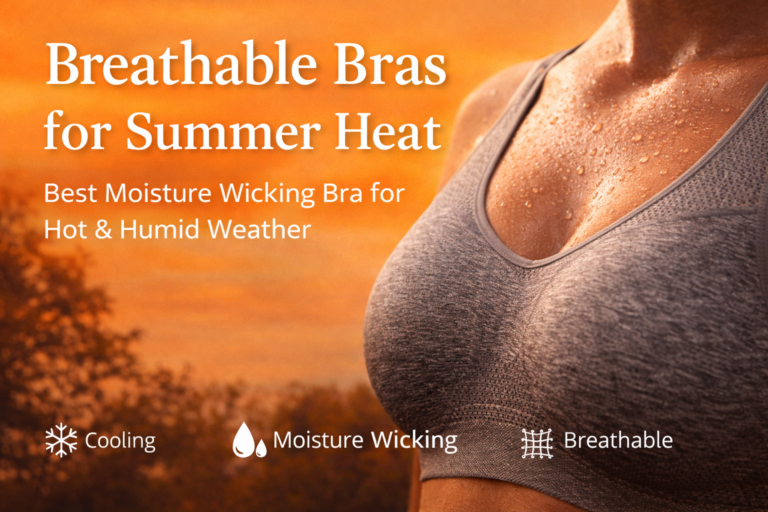
Summer Lingerie Guide · 2026 Breathable Bras for Summer Heat: Best Moisture Wicking Bra for Hot & Humid…
Read MoreWe select every product for comfort, durability, and value, and every order ships with complete discretion. If something isn't right, our return policy covers you.