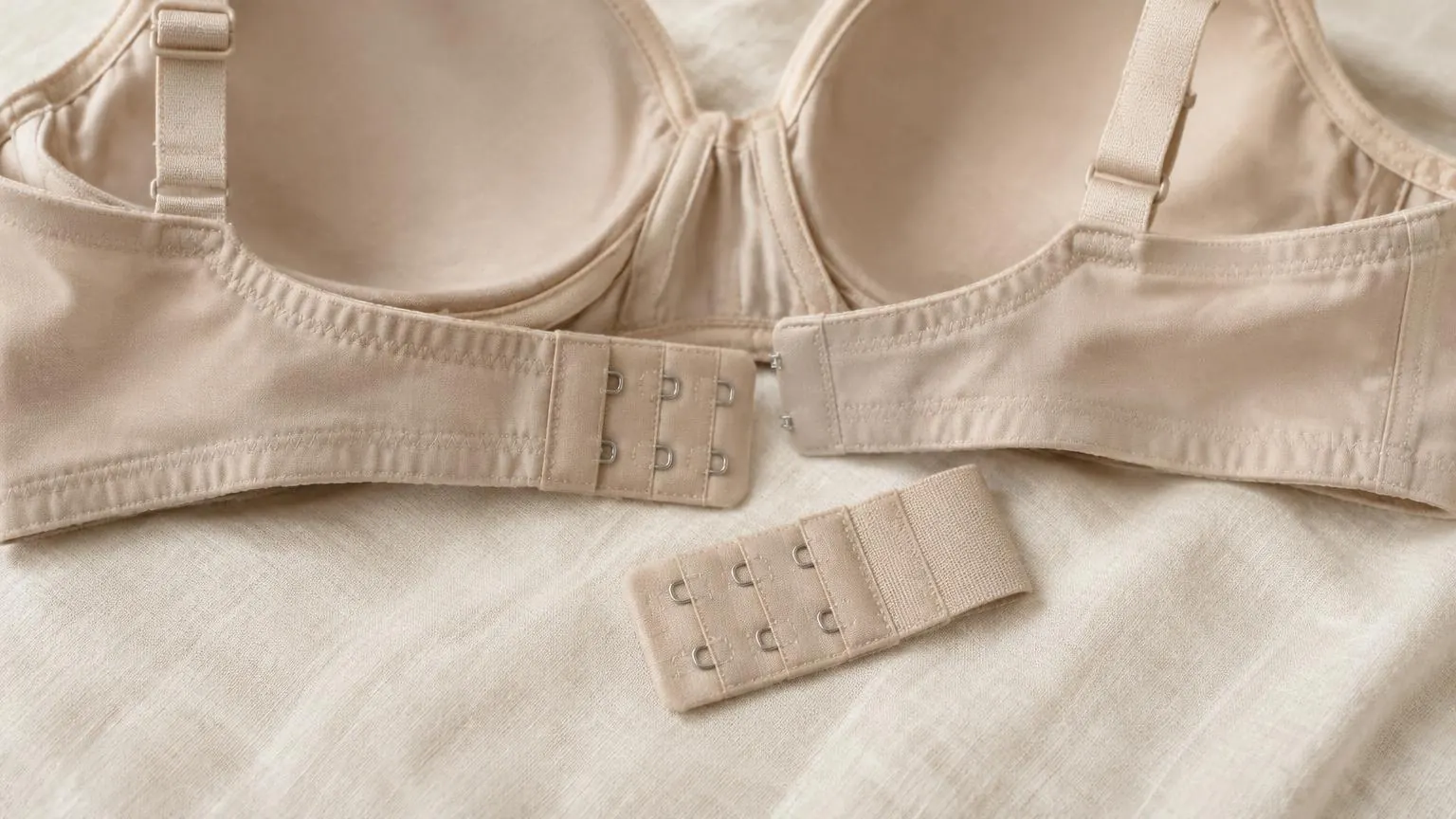
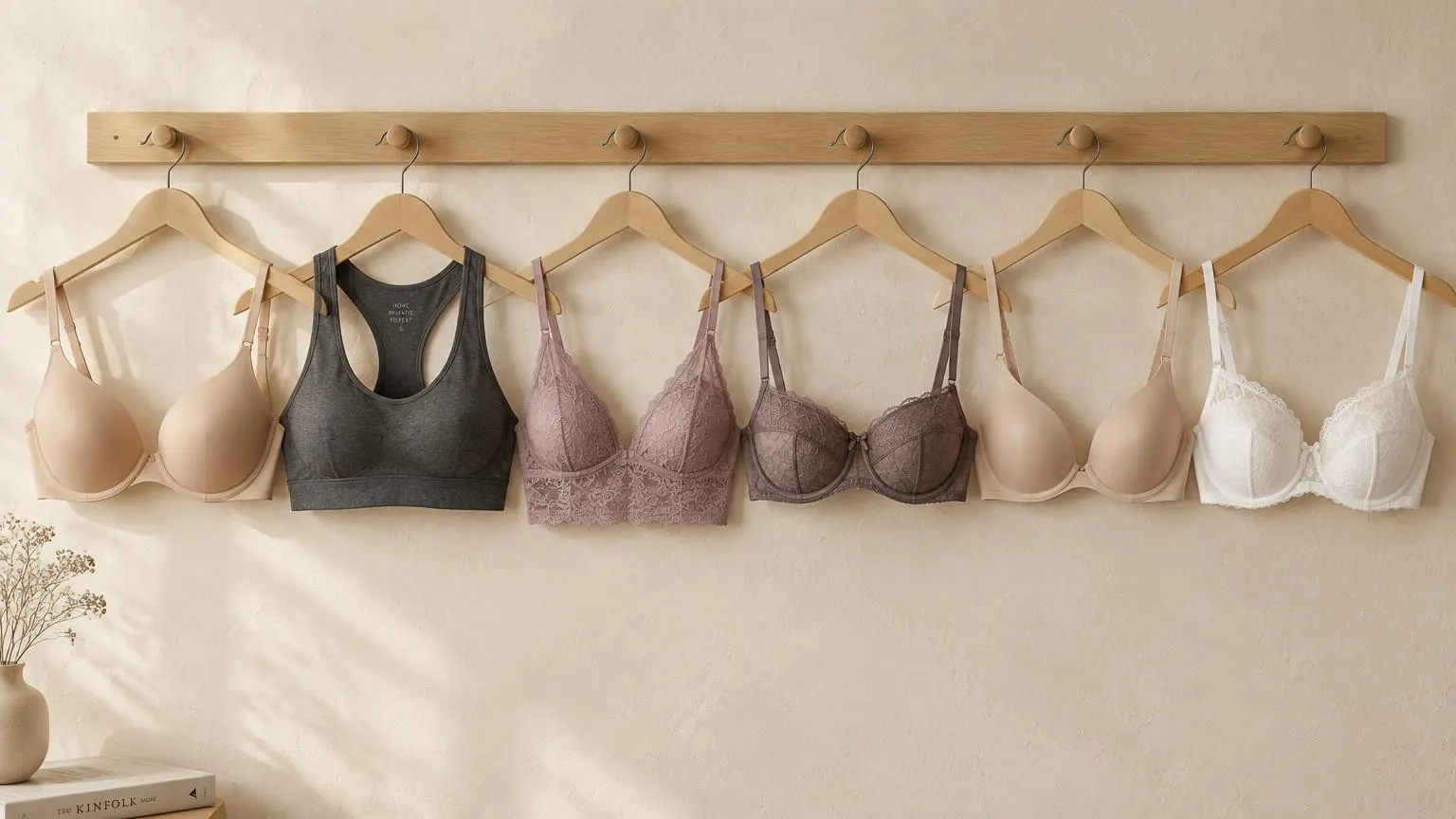
Bra Sister Sizes Explained
How sister sizes work in UK bra sizing, why the cup letter changes when the band changes, and when trying a sister size makes sense.
By US Hosiery EditorialPublished 2 min read
The short answer
When you change band size, the cup letter usually needs to move in the opposite direction to keep similar cup volume. Sister sizes are a starting point to try on, not an exact equivalent.
In this guide
In band-and-cup sizing, the cup letter is relative to the band. A D cup on a 30 band is not the same size as a D cup on a 40 band. "Sister sizes" describes this relationship. This guide uses UK sizing; other systems follow the same idea but name cups differently after D (see our international sizing guide).
The short answer
If you go down one band size, go up one cup letter to keep similar cup volume. If you go up one band size, go down one cup letter.
For example, in UK sizing, 32DD and 36C are both sister sizes of 34D. They have broadly similar cup volume on a different band length. Brands vary, so a sister size is a size to try on, not a guaranteed match.
Why the cup letter changes
A cup letter describes cup volume relative to the band it is attached to. As the band gets longer, each cup letter gets larger in volume. So to keep a similar cup while changing the band, the letter has to move the other way.
This is why changing only the band number can make cups feel suddenly too big or too small, and why it is not safe to convert one part of a size on its own.
When trying a sister size makes sense
Sister sizes are useful when the cups fit but the band does not:
- Band feels loose or rides up, cups fit: try one band size down and one cup letter up.
- Band feels too tight, cups fit: try one band size up and one cup letter down. Check first whether the bra is new and on the loosest hooks.
- Your usual size is out of stock: a sister size may fit, but check band firmness carefully, since the band does most of the support work.
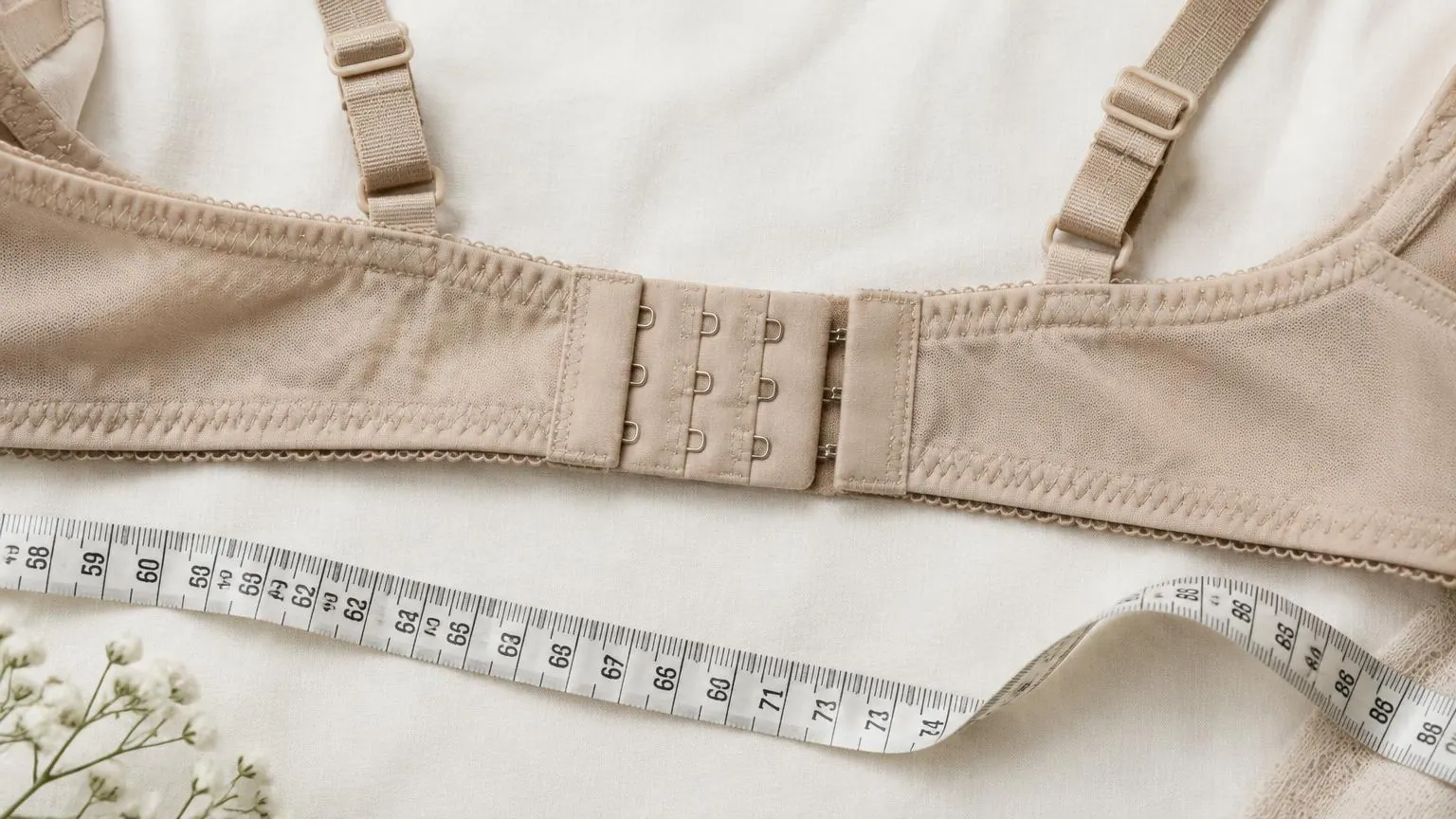
Band fit is checked separately from cups: the band should be firm and level without riding up (University of Portsmouth). Our guide to how tight a bra should be explains the checks.
When it does not help
A sister size only keeps similar volume. It will not fix:
- Cups that are too small or too big while the band fits: change the cup letter and keep the band.
- Cup shape problems, such as gaps at the top with a tight lower cup: a different style may help more than a different size.
- Wires sitting on breast tissue: this can relate to cup size, wire width or shape.
Our guide to signs you are wearing the wrong size matches each clue to the change to try.
Things to watch for
- Brands differ. Breast Cancer Now notes that fit varies between makes and styles (Breast Cancer Now). A sister size in one brand may fit differently in another.
- Wire width changes too. In many brands, wires get wider with band and cup size. A sister size can feel different at the sides even when the volume is similar.
- Stay within one sizing system. Don't mix UK band numbers with US or EU cup letters. Check which system the label uses.
- Move one step at a time. Jumping two band sizes at once makes it harder to tell what changed.
Try any new size using the checks in our bra fit checklist.
Sources and further reading
External pages referenced in this guide. Brand fitting guides describe that brand's own sizing; check each brand's chart.
Report an outdated detail or broken link
Found something out of date, or a source link that no longer works? Let us know. We read every report and fix errors as described in our corrections policy.
Keep reading