Choosing Fabrics for Hot, Humid Weather in Pakistan
Compare cotton, lawn, voile, linen and synthetic fabrics for hot, humid days, with practical checks for weight, lining, fit and care.
By US Hosiery EditorialPublished Updated 3 min read
The short answer
For hot, humid conditions such as those experienced in parts of Pakistan, compare fabric construction, garment fit and lining rather than relying on a fibre name.
In this guide
The short answer
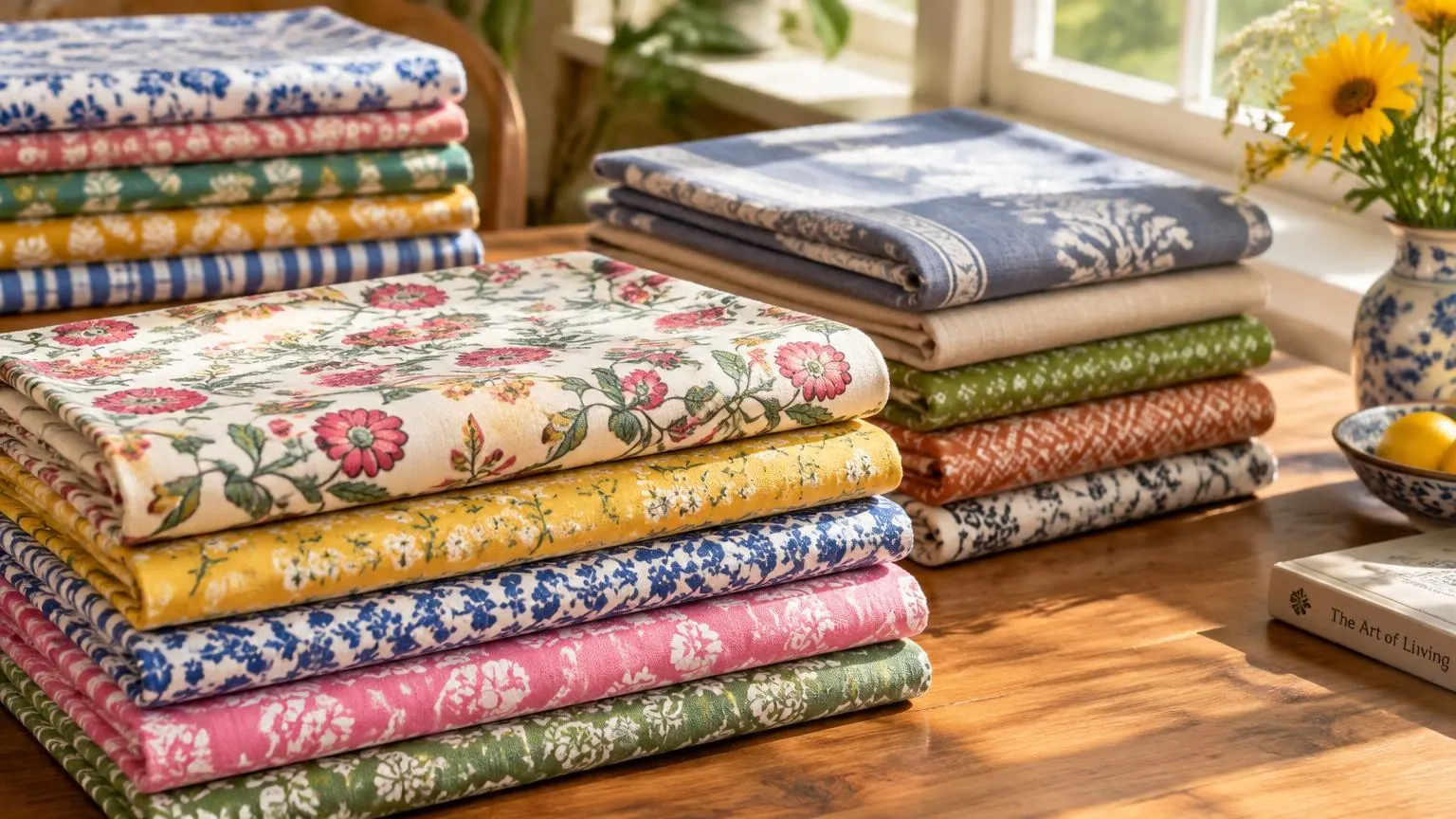
Compare lightweight clothing with room to move, then check the weave, lining, coverage and care needs of the whole outfit. Cotton lawn, voile, linen and blends are all options; the finished garment matters more than a fibre name alone.
This guide is for kurtas, shirts, dresses and similar clothing. Conditions vary across Pakistan, so choose for the place, season and activities you have in mind—not a single idea of ‘Pakistan heat’.
Cotton and lawn aren't opposites
Cotton is a fibre. Lawn and voile describe fabric constructions that may be made from cotton or other fibres. Check the composition label before comparing them.
A shop's ‘cotton versus lawn’ choice may really be between heavier cotton cloth and lightweight cotton lawn. Feel and inspect the actual fabrics, including any lining or embroidery backing.
Compare cloth, then the outfit
| Option | What to look at | Decision to make |
|---|---|---|
| Cotton lawn | Weight, density and opacity | Does it give you the coverage you want without another layer? |
| Voile | Sheerness and lining | Would you prefer the full layered outfit or a less sheer cloth? |
| Linen | Texture, weave and creasing | Do you like how this garment feels and looks after sitting? |
| Cambric | Actual weight and finish | Is this particular fabric light enough for your plans? |
| Synthetic or blended cloth | Structure, inner surface and care label | Does the finished garment suit your day and washing routine? |
These aren't performance rankings. Two garments with the same fibre label can differ in thickness, density and finish.
For example, compare a sheer kurta plus the underlayer you want with a less sheer kurta worn on its own. Judge both complete outfits. The lightest outer cloth isn't automatically your preferred choice once everything is on.
Try it as you'll wear it
- Read the fibre composition and care instructions.
- Check the lining, embroidery backing, cuffs and any close-fitting areas.
- Add your usual underlayer and any scarf or outer layer you plan to wear.
- Sit, walk and raise your arms. Check ease at the shoulders, chest and waist.
- Check coverage in different light.
- Decide whether the full outfit feels comfortable for your plans.
Holding cloth to the light shows sheerness, not measured breathability. A cool first touch also tells you little about how you'll feel several hours later.
The same whole-outfit approach applies underneath: see underwear for hot, humid weather and the everyday summer bra guide.
Understand moisture and marketing claims
Cotton is absorbent and can feel damp when saturated. Many synthetic knits absorb less water and often dry faster, but construction and finish matter. Absorbing liquid, moving it through fabric and drying are different properties; none makes a fibre universally cooler.
For a fuller explanation of materials used next to skin, see underwear fabrics compared.
If cloth is sold as ‘bamboo’, check the composition. Such textiles are usually rayon or viscose. The FTC has challenged unsupported claims that rayon made from bamboo retains natural antimicrobial properties (FTC). Don't choose it for antibacterial protection on that label alone.
Plan care and know when to ask for help
Follow the garment's care label. Before relying on washing between wears, check where you can dry the complete garment, including its lining. Note how your own clothes feel after washing and during a humid day; use that experience when buying again.
For heat rash, the NHS advises keeping skin cool and wearing loose cotton clothing. A pharmacist can help; see a doctor if it hasn't improved after a few days (NHS). A rash that persists needs advice, not another round of fabric shopping.
Sources and further reading
External pages referenced in this guide. Brand fitting guides describe that brand's own sizing; check each brand's chart.
- Heat rash (NHS) (nhs.uk)
- FTC Charges Companies with ‘Bamboo-zling’ Consumers (ftc.gov)
Report an outdated detail or broken link
Found something out of date, or a source link that no longer works? Let us know. We read every report and fix errors as described in our corrections policy.
Keep reading