Choosing Underwear for Hot, Humid Weather
Choose underwear for humid days by checking fabric weight, seams, waistband, fit and drying conditions, with useful planning tips for activity and travel.
By US Hosiery EditorialPublished 4 min read
The short answer
In humid weather, choose the whole garment rather than a single fibre. Check rubbing points, compare construction and plan changes and laundry around your actual drying conditions.
In this guide
A pair that works for a short walk may feel quite different after a long commute or several hours outdoors. In humid weather, the useful question isn't just “Which fabric?” It's “What happens when this pair gets damp, and when can I change it?”
The short answer
Look for a comfortable, stable fit, a fabric weight you can tolerate under your clothes, and seams and edges that don't rub. If you'll sweat heavily, consider moisture transport and drying as well as absorbency. Carry a spare when you can't count on staying comfortable in one pair.
Humidity matters: the National Weather Service explains that high relative humidity reduces evaporation from the body. Moving moisture through a fabric and getting it to evaporate are separate steps (National Weather Service).
Start with the day you're planning
Use these situations to decide what to compare, not as rules about what everyone must wear.
| Your day | What to check first | A useful precaution |
|---|---|---|
| Mostly sitting indoors | Waistband folding when seated; gusset and leg-edge comfort | Try the pair under your usual trousers before a long day |
| Walking or an active commute | Thigh and groin rubbing; seams that move against skin | Carry a dry change if the journey leaves you soaked |
| Sustained exercise | Secure fit without cutting in; moisture transport | Test during a shorter session before a long outing |
| Travel with hand laundry | Care instructions and how the whole pair dries | Keep a clean spare beyond the next planned wash |
| Humid indoor drying | Damp gusset layers and waistband, not only the body fabric | Wash early enough to allow extra drying time |
Choose fabric without expecting it to do everything
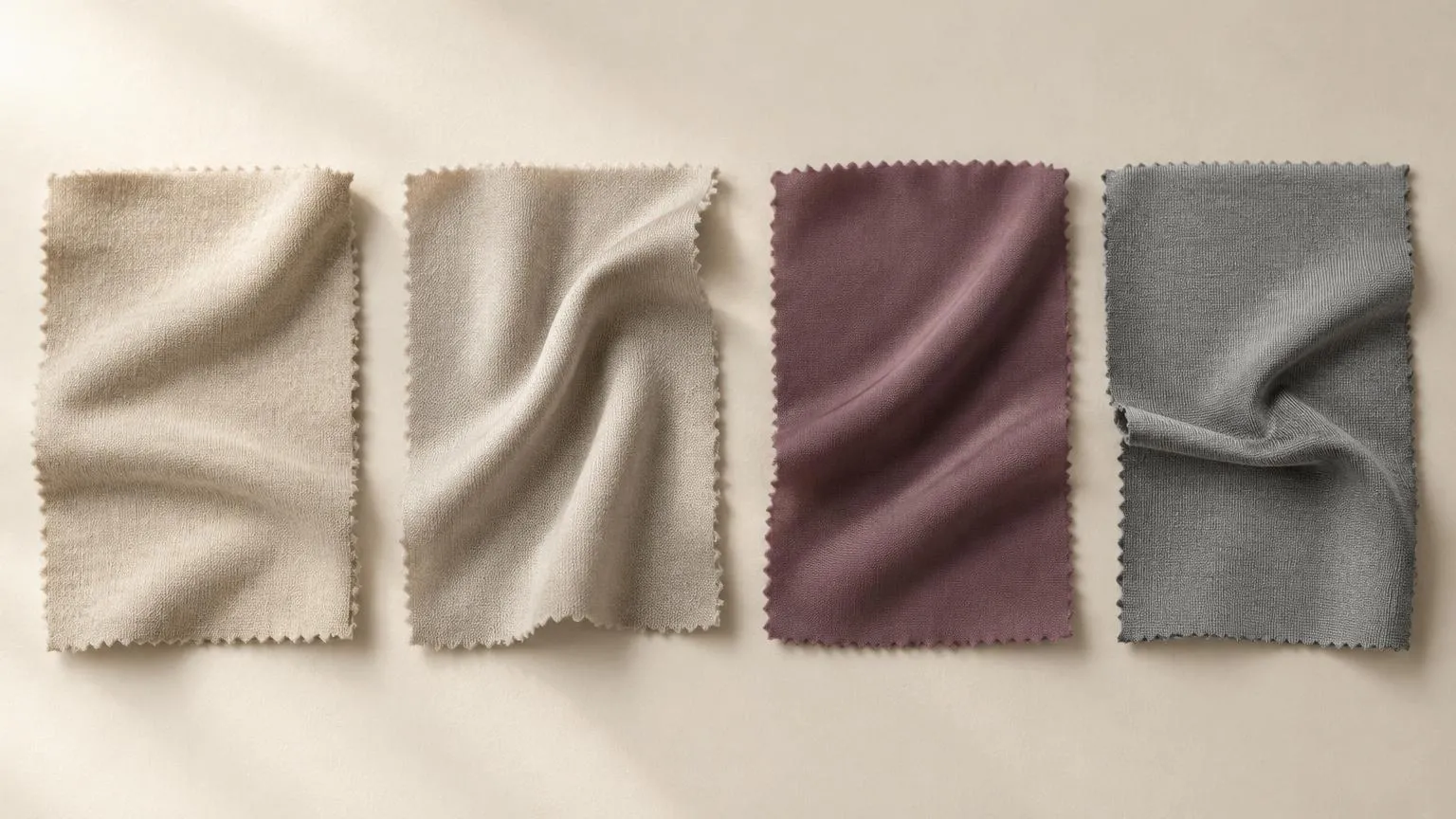
Cotton is absorbent and can feel damp when saturated. Many synthetic fabrics absorb less moisture and dry more readily, but the finished construction still matters (University of Georgia Extension). A fabric that feels pleasant during low activity may not be your favourite when wet.
For the differences between cotton, modal, lyocell and synthetic blends, use the underwear fabric comparison. Here, concentrate on how the garment behaves in your conditions. If a description says “wicking”, look for information about the finished fabric, not just the fibre name.
Try one pair through a normal wear-and-wash cycle before replacing a whole drawer. Notice where dampness bothers you: the gusset, waistband, seams or the entire garment. That gives you a more useful next comparison than buying another pair labelled “cooling”.
Check weight, knit and edges
Turn the pair inside out and compare:
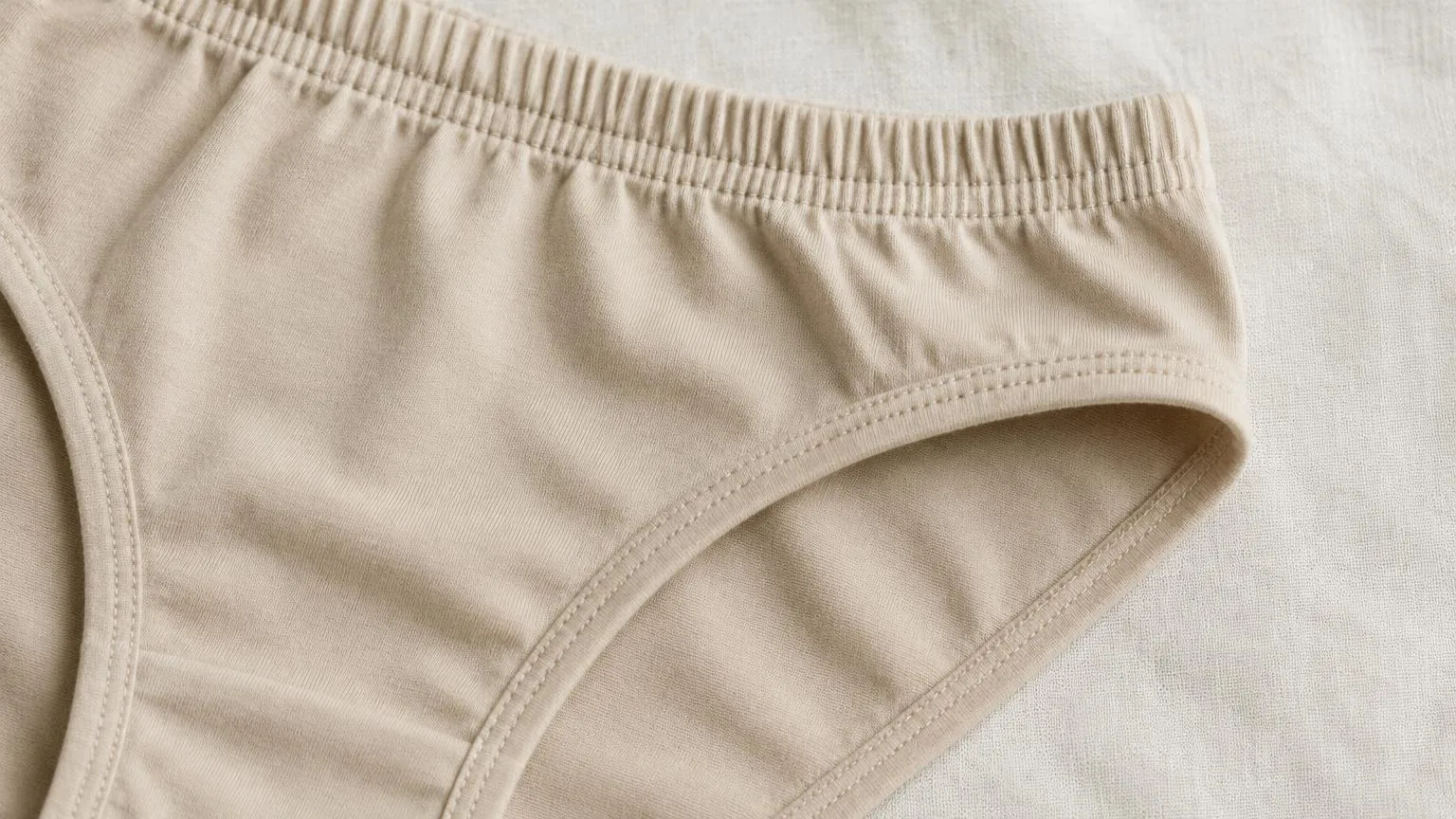
- Weight and knit: is the body fine and flexible or dense and substantial? Check any lining too. A mesh outer panel may have a solid backing.
- Seams: run your finger along the gusset joins and leg seams. Are there raised ridges where you've noticed rubbing?
- Waistband: try sitting and bending. A wide band may feel comfortable on you, or fold into a firm edge. A narrow one may be unobtrusive, or dig. Width alone doesn't decide.
- Leg openings: walk and lift each knee. Check whether the edge stays put, pulls inward or leaves you wanting to adjust it.
- Coverage: a longer leg can put fabric between skin surfaces, but check whether its hem rides up. Less fabric isn't automatically the more comfortable option.
These are try-on checks, not a way to calculate ventilation. Keep your outer clothing in the comparison: the same pair may feel quite different under loose trousers and close-fitting jeans. For choosing the outer layer itself in hot, humid climates, see fabrics for hot, humid weather.
If every pair in one cut catches at the same point, try a different leg line or rise. The underwear fit guide helps separate size from a cut that doesn't suit you.
A snug fit shouldn't mean rubbing
Chafing is irritation caused by repeated rubbing, including skin against fabric or skin against skin. Moisture can cause it or make it worse; tags and seams can also contribute (Cleveland Clinic).
You don't need to size down to keep a pair from moving. Nor does going very loose necessarily solve an edge that bunches. Try a cut that stays in place without pressing, and change out of a damp pair if it has become uncomfortable. During an activity, stop and check a rubbing spot rather than waiting for the end.
If skin is already sore, remove the rubbing source and pause the activity that's aggravating it. See a doctor for severe or longer-lasting chafing, as Cleveland Clinic advises. Don't keep trying different underwear to explain a persistent rash (Cleveland Clinic).
Humid and dry heat need different expectations
In drier air, evaporation can be more effective; in humid air, sweat may linger even when a fabric moves it well. A wicking label can't change the humidity around you (National Weather Service).
For a humid day, make changing possible: pack a clean pair in a dry pouch and keep the worn pair separate. For a long walk, consider a break where you can check your skin and clothing. These are planning choices, not a fixed schedule for how often everyone needs to change.
Plan travel laundry around drying, not just washing
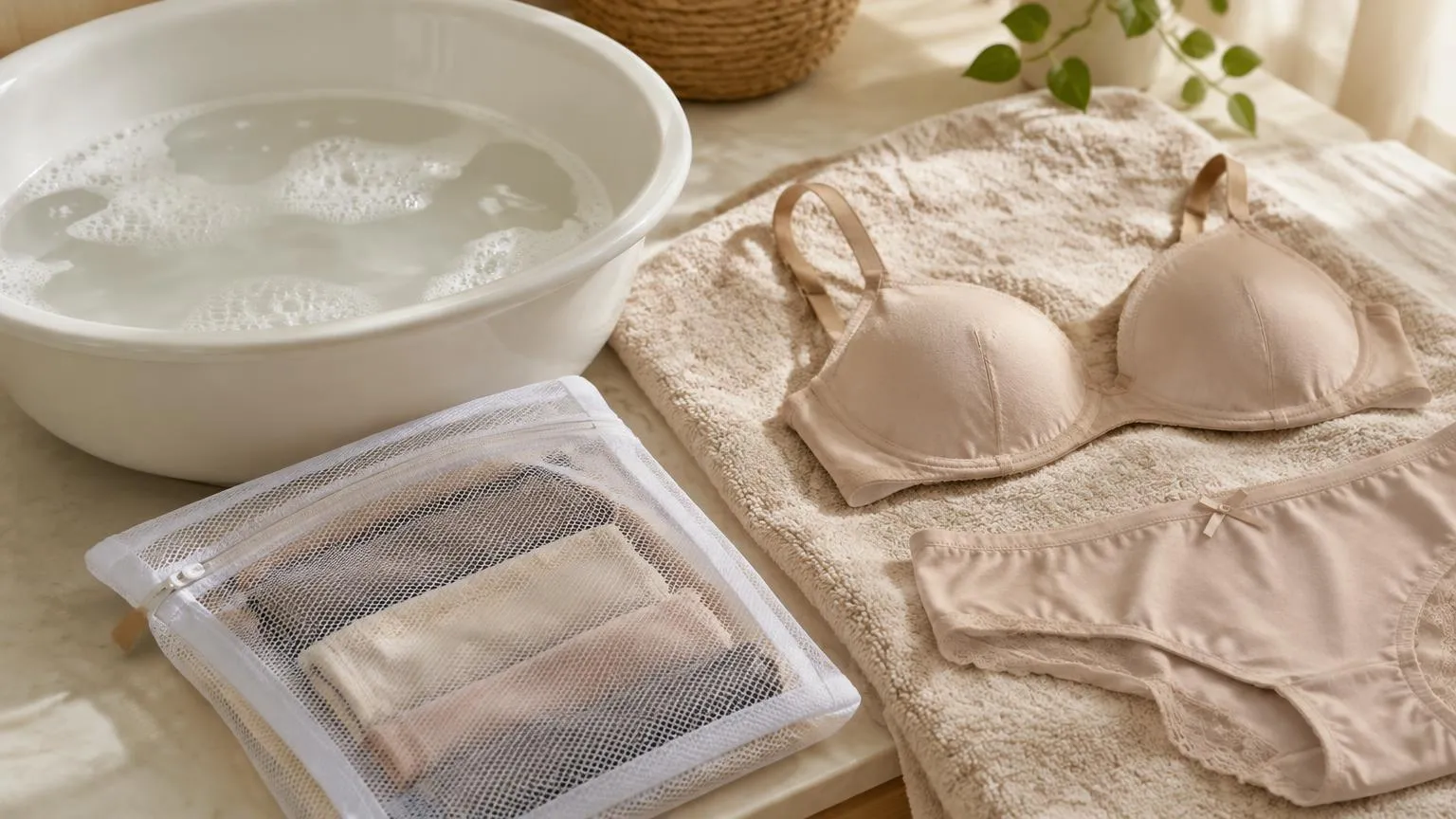
Before packing, wash a pair by its label and see whether it dries in the sort of indoor space you'll have available. Check the waistband and lined gusset by touch before calling it dry. Don't judge only by the thin body panel.
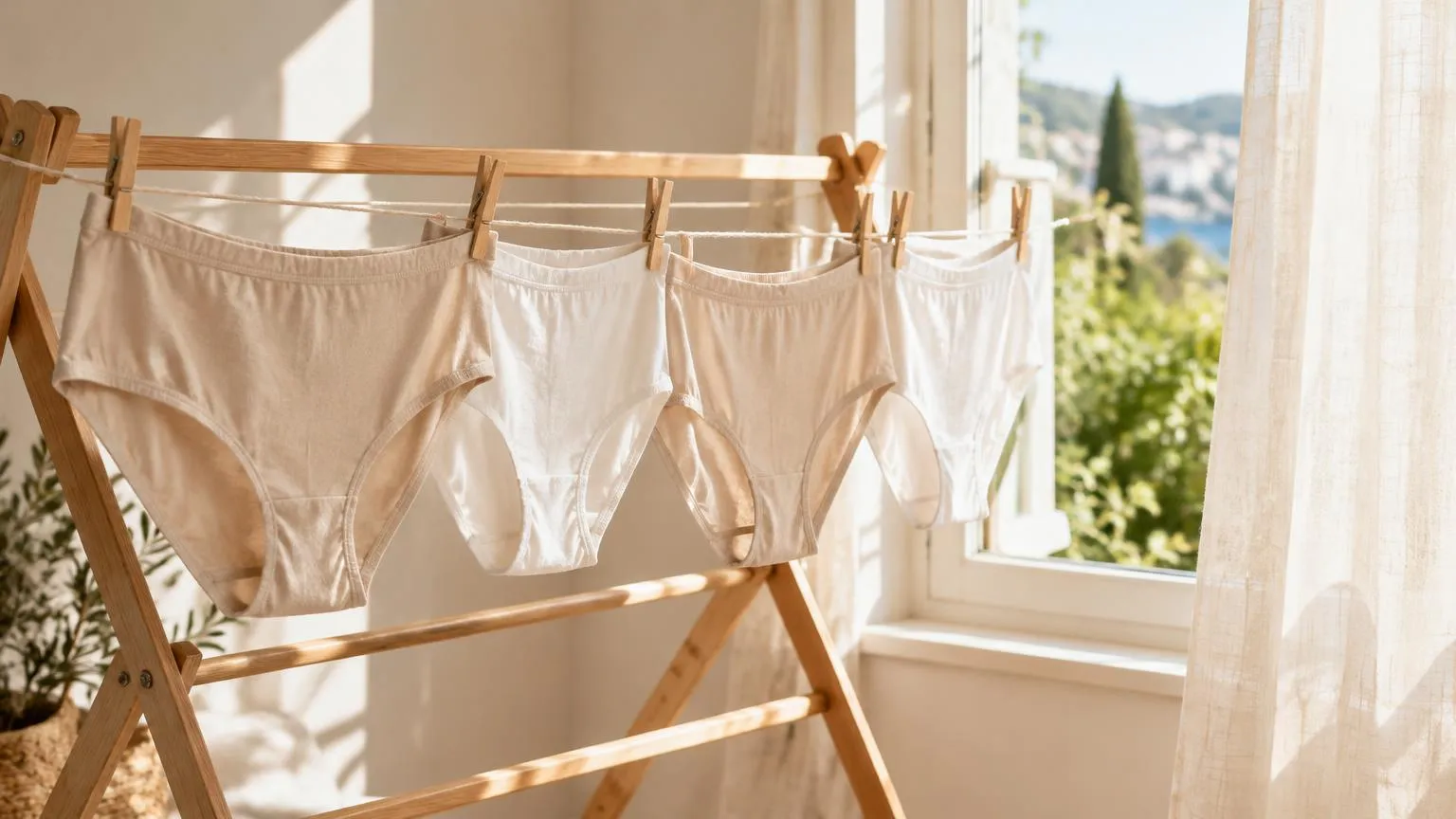
Hang or lay items as the label directs, spread them out and leave room between them. A small, humid bathroom may not match the drying conditions you have at home, so don't make your last clean pair depend on overnight laundry. If a pair is still damp when you leave, keep it separate and finish drying it at the next opportunity.
The washing and drying guide explains how to choose a method without overriding the care label.
Sources and further reading
External pages referenced in this guide. Brand fitting guides describe that brand's own sizing; check each brand's chart.
- What is the heat index? — National Weather Service (weather.gov)
- Chafing — Cleveland Clinic (my.clevelandclinic.org)
- Fiber Types — University of Georgia Extension (site.extension.uga.edu)
Report an outdated detail or broken link
Found something out of date, or a source link that no longer works? Let us know. We read every report and fix errors as described in our corrections policy.
Keep reading