Training Bra, Bralette or Crop Top: Choosing a First Bra
How training bras, soft bralettes and crop tops differ for a first bra, what to check for comfort and fit, and how to involve the person who will wear it.
By US Hosiery EditorialPublished 2 min read
The short answer
First-bra styles differ mainly in coverage, stretch and how they are sized. Comfort and the wearer's own preference matter more than the name on the label.
In this guide
"Training bra", "first bra", "bralette" and "crop top" are retail names, not fixed categories. Brands use them differently. This guide compares what the styles usually look like so you can choose by comfort rather than by label.
For broader advice on when and how to shop for a first bra, see our first bra guide.
The short answer
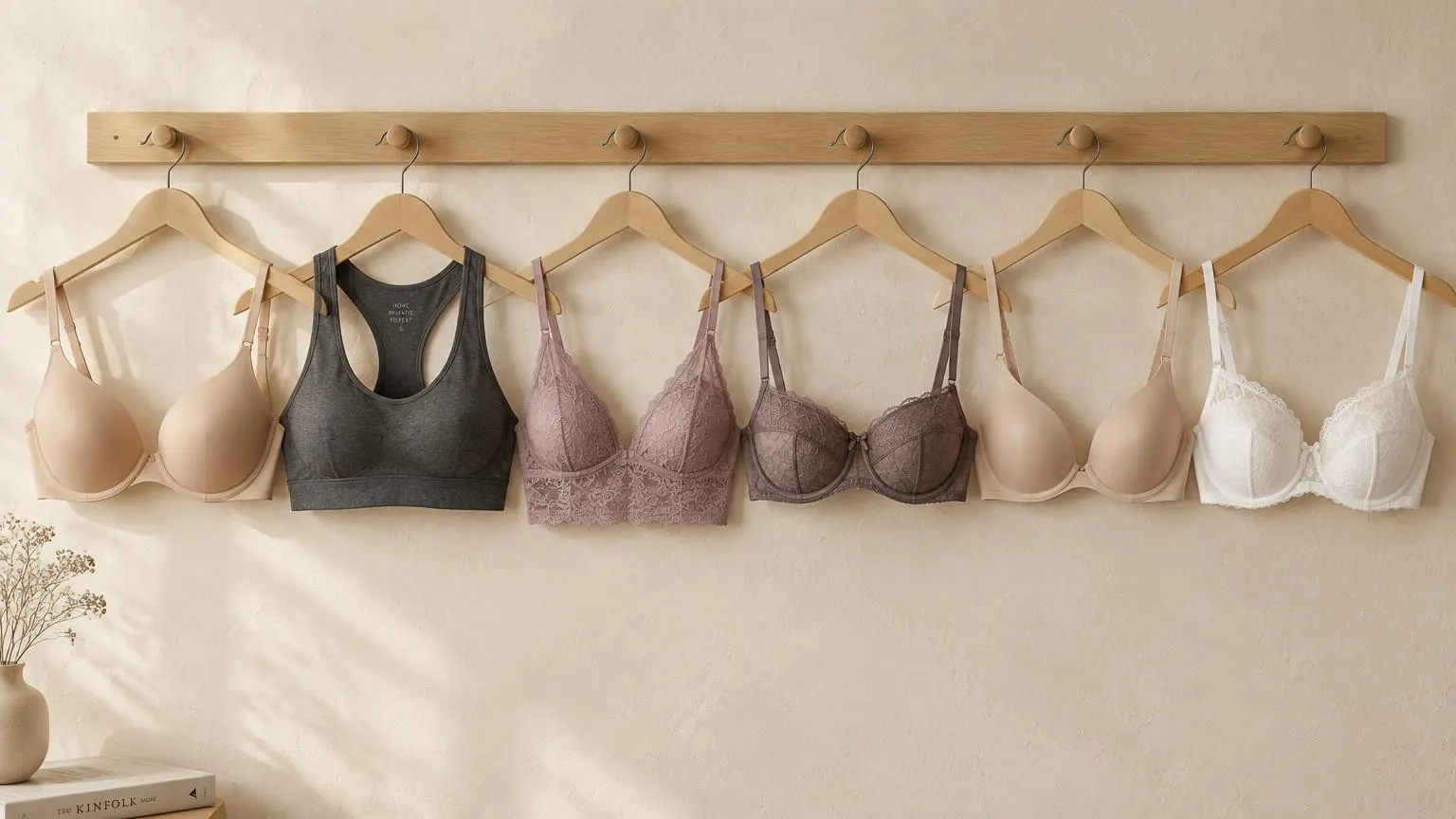
All three are usually soft, wireless and pulled on over the head. Crop tops tend to give the most coverage and look like a short vest. Training bras are often a thin, simple bra shape, sometimes with light lining. Bralettes are a lighter, more fashion-led bra shape and may be sized by band and cup or by S/M/L.
Let the person who will wear it try options and choose what feels comfortable. There is no required order of styles and no age at which a particular one is "right".
How the styles usually differ
| Style | Typical coverage | Typical sizing | Often chosen for |
|---|---|---|---|
| Crop top | High, vest-like | S/M/L or age | Coverage under school uniform or sportswear |
| Training bra | Medium | S/M/L or simple band sizes | A bra-like shape with little structure |
| Bralette | Varies, often lighter | S/M/L or band and cup | A soft bra shape, sometimes with lace or lining |
These are common patterns, not rules. Check the product description for lining, fabric and how the garment is sized.
What to check when trying one on
Simple checks still apply to soft styles. Adapted from the University of Portsmouth fit guide:
- Band or hem: stays level around the body and doesn't ride up or roll.
- Front: lies smoothly without bunching or pressing in.
- Straps: comfortable, without digging or slipping.
- Movement: stays comfortable when the wearer raises their arms, bends and sits.
Breasts can be different sizes, especially while developing. Breast Cancer Now advises fitting to the larger side where sizes differ (Breast Cancer Now). Light lining or removable pads can help if the wearer would like an even look.
Choosing fabric
Cotton-rich fabrics feel soft to many people; cotton blended with elastane adds stretch so the garment keeps its shape. Synthetic blends usually dry faster after sport. Our fabrics guide explains the trade-offs. Seams, labels and lace can irritate sensitive skin, so check the inside of the garment as well.
Sizing a first bra
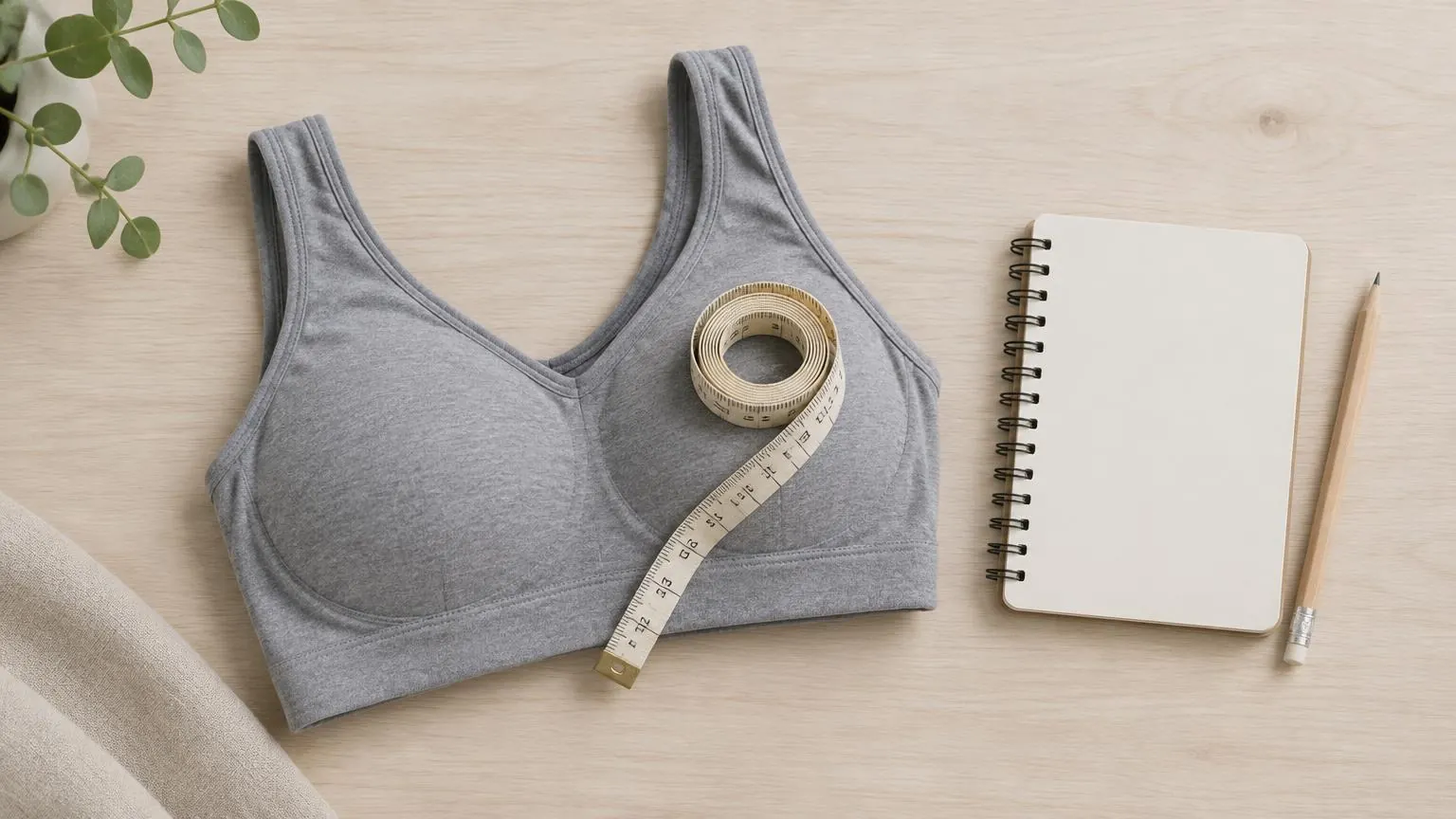
S/M/L sizing is simplest: follow the brand's chart, which may use chest measurement, age or both. If the style uses band and cup sizes, our measuring guide explains how to take measurements to use with a brand's own chart.
Expect sizes to change. Bodies change during puberty, so it is normal to replace first bras more often than adult bras. Buying one or two to start, then more once you know what works, avoids waste.
Making it a comfortable conversation
The person who will wear the bra should lead. Offer choices, give them privacy to try things on and accept their preferences about style, colour and coverage. Some people prefer to shop in person; others are more comfortable choosing online from a short list.
If a bra causes pain, or the wearer has questions about their body rather than about clothing, a GP or school nurse is a better source of advice than a fitting guide.
Sources and further reading
External pages referenced in this guide. Brand fitting guides describe that brand's own sizing; check each brand's chart.
Report an outdated detail or broken link
Found something out of date, or a source link that no longer works? Let us know. We read every report and fix errors as described in our corrections policy.
Keep reading