Underwear Styles Explained: Rise, Coverage and Fit
Compare briefs, bikinis, hipsters, boyshorts, cheekies and thongs by rise, coverage and leg line, then choose a cut for your clothes and comfort.
By US Hosiery EditorialPublished 4 min read
The short answer
Choose underwear by where the waistband sits, how much back coverage you want and where the leg edges land. Style names are only a starting point.
In this guide
A bikini in one drawer can look much like a brief in another. Names vary between brands and countries, so check the front and back photographs as well as the label.
The short answer
Choose three things first: waistband height, back coverage and leg line. Then check the edges under the clothes you'll wear. More coverage isn't automatically more comfortable, and less coverage isn't automatically less visible.
This guide covers knicker-style underwear. For how it should sit once it's on, see the underwear fit guide.
Compare the cuts
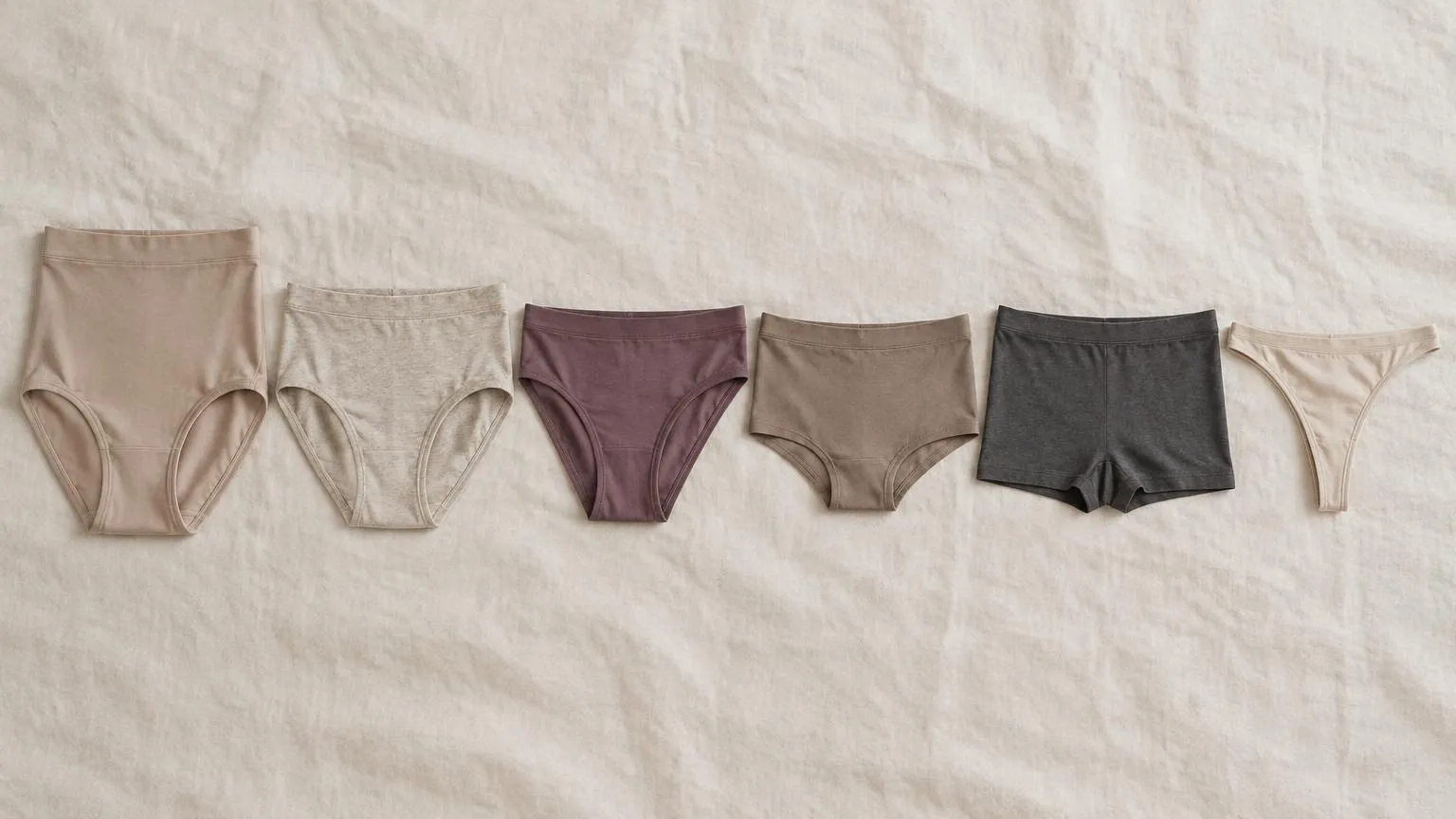
The descriptions below are starting points, not fixed definitions. For example, ThirdLove describes its briefs as high-rise with full back and side coverage, its bikinis as medium-coverage with slimmer sides, and its hipsters as low-rise with wider sides (ThirdLove). Triumph separates midi briefs from maxi/high-waisted briefs and describes Brazilians as having less back coverage (Triumph).
Rise means where the waistband sits on you. Leg line means the shape and height of the openings, not the amount of back coverage. The fit notes and suggested uses are things to compare during a try-on.
| Style | Usual rise | Back coverage | Leg line | Try it for | Fit check and common trade-off |
|---|---|---|---|---|---|
| Briefs | Mid to high | Full or nearly full | Curved; height varies | Everyday wear when you want fabric across the back | Check the lower edge stays beneath the bottom; that edge may show under fitted trousers. |
| High-waist briefs | At or near the natural waist | Often full; check the back view | Can be low-cut or high-leg | More front coverage or a higher waistband | Sit down to check the top doesn't fold; the extra height may show above low-rise clothes. |
| Bikini | Usually low to mid | Moderate | Curved, with narrower side panels | Less fabric at the sides without a thong back | Check side elastic doesn't dig; the back edge still crosses the bottom. |
| Hipster | Low, around the hips | Moderate to fuller | Usually lower, with wider sides | A low waistband with more side coverage | Check the leg edge while walking; a low opening may catch where your leg bends. |
| Boyshorts | Low to high | Usually fuller | Short, comparatively straight legs | A short-shaped cut instead of curved openings | Squat to check the legs don't bunch; hems can show as a horizontal line. |
| Cheekies | Varies | Partial, leaving the lower bottom exposed | Back edges cut upwards across the bottom | Less back fabric than a fuller brief | Check where the back edges settle; they may move inward or leave a visible diagonal line. |
| Thongs | Low to high | Minimal, with a narrow back section | Open around the bottom; front leg cut varies | Avoiding an edge across the bottom under fitted clothes | Check the narrow back and gusset stay comfortable; the waistband and front seams may still show. |
| Brazilian | Varies; Triumph describes mid to high | Partial, between fuller briefs and minimal backs | Higher-cut across the back | Partial coverage without a narrow thong back | Walk before deciding; the diagonal back edge may shift or show. |
| Shapewear briefs | Often high | Commonly full, but varies | Low-cut or high-leg | A firmer, smoothing layer under clothes | Check sitting comfort and both openings; firmer panels can make edges more noticeable. |
Boyshort and cheeky are useful shape descriptions here: a short-shaped leg and a partial-coverage back respectively. They aren't precise sizing categories. “High-waist” describes height, not necessarily full coverage or shaping. A high-waist thong is still a thong.
What about tangas?
Don't choose a tanga from the name alone. Look for the actual width of the back panel and sides, and compare it with the coverage you already like. This guide doesn't give tanga a fixed coverage category because the label isn't reliable enough across the sources checked.
Choose for the outfit
Fitted trousers or leggings: compare a thong with a flat-edged brief or hipster. Look at the waistband, gusset seams and leg edges through the trousers in daylight. You don't have to give up back coverage to try a smoother finish. Triumph includes seamless briefs among its options for close-fitting clothes (Triumph).
Low-rise jeans: try a bikini or hipster whose waistband stays where you want it when you sit. Don't pull a higher-rise pair down to hide it; choose a lower rise instead.
High-waist trousers or skirts: compare a high-waist brief with a lower cut. Sit with the outer waistband fastened and check whether the two waistbands press together. Matching heights is optional, not a rule.
Loose dresses and trousers: start with the coverage you enjoy. Visible lines only need attention if they bother you.
Thin or pale fabric: check colour contrast as well as seams. Try underwear close to your skin tone and view the outfit from behind; a smooth edge alone doesn't settle the question.
Choose for movement and preference
For walking, exercise or a long seated day, try the movements you'll actually do. A fuller back that needs constant adjusting isn't a better fit than a comfortable minimal cut. Equally, you don't need a thong just because you're wearing leggings.
If you prefer covered upper thighs, compare a longer underwear short with a boyshort: don't expect a very short leg to stay down in the same way. Check it while walking before committing to the cut.
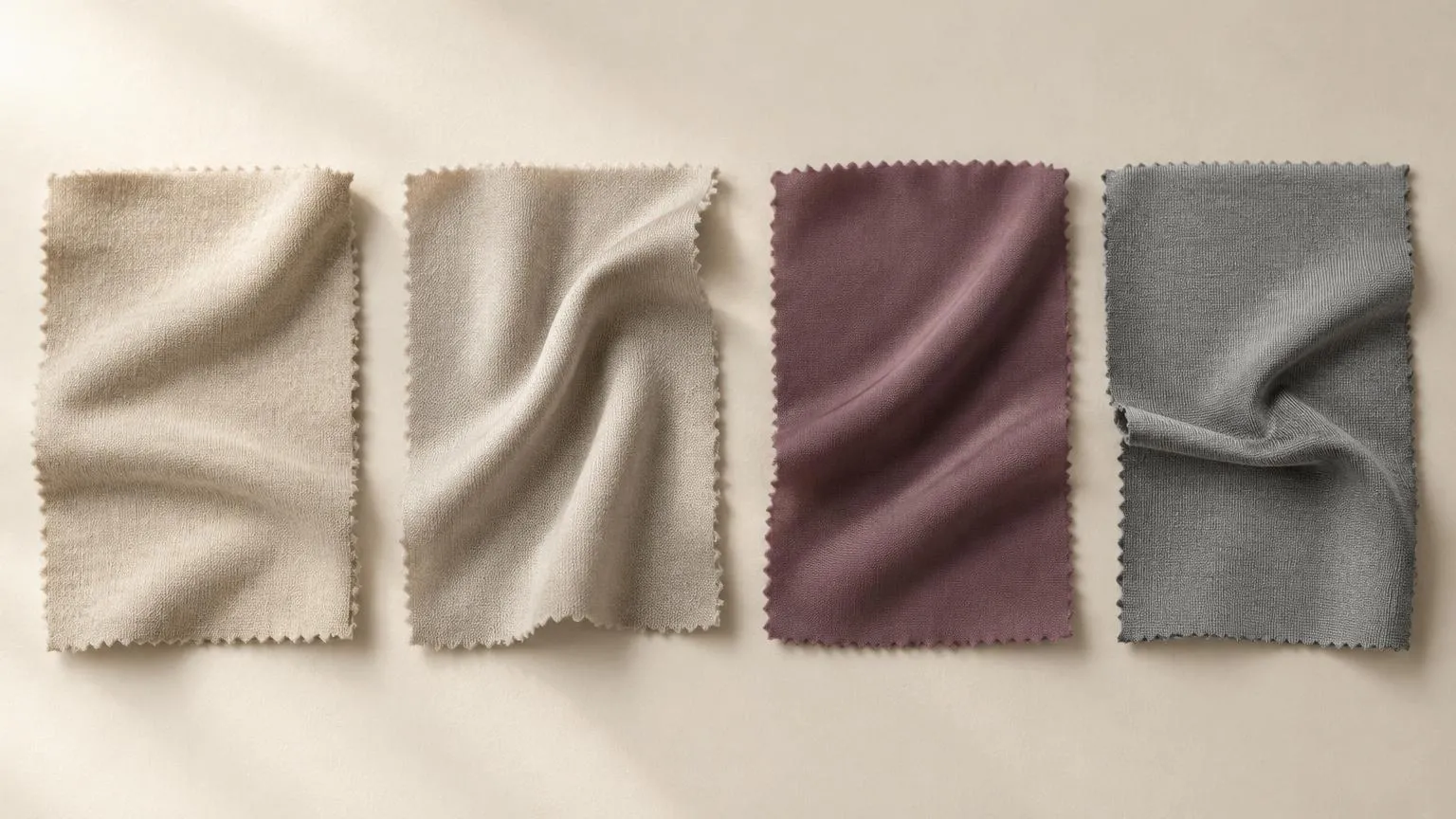
Choose the material separately from the shape. Our underwear fabric comparison explains that part of the decision. Then use your chosen brand's size chart rather than transferring a familiar letter size without checking.
Sources and further reading
External pages referenced in this guide. Brand fitting guides describe that brand's own sizing; check each brand's chart.
- Knicker Styles: How to Choose the Right Type of Underwear (Triumph) (uk.triumph.com)
- Underwear Size Chart & Guide (ThirdLove) (thirdlove.com)
Report an outdated detail or broken link
Found something out of date, or a source link that no longer works? Let us know. We read every report and fix errors as described in our corrections policy.
Keep reading